Nothing Can Divert an Oil Gaze
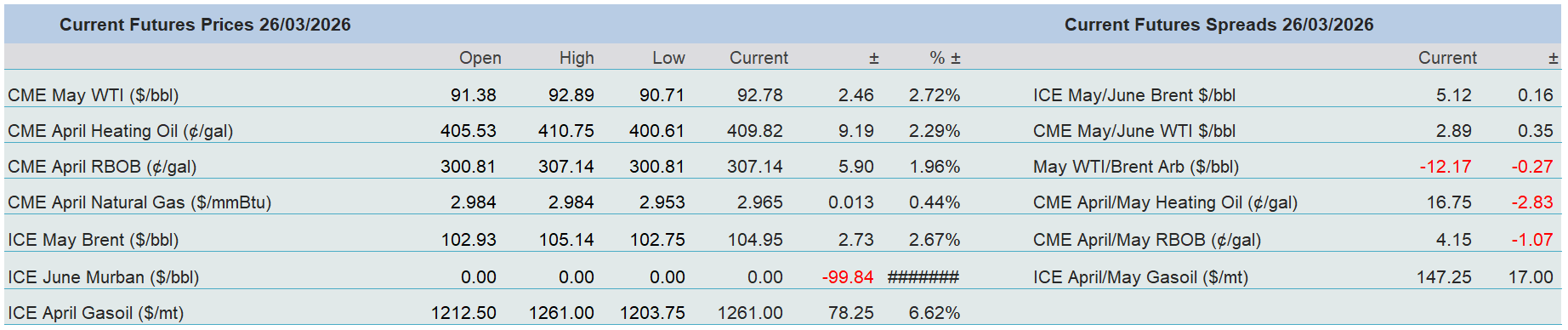
The wider suites remain reactionary to the oil price and any movement or risk will be nailed to the fortunes of our market for the foreseeable future. Even the landmark court case in Los Angeles where Google and Meta have been found negligent in how their social media platforms are harmful to children is easily brushed over by the myopic gaze toward the oil price. At present the audiences of the world seem to believe the Iranian take on ceasefire negotiations being far away in accord. What aids the supposition is how more and more US reactionary force troops such as marines and paratroopers arrive in the area. The press is in full-blown print that Kharg Island is very much the landing place for these first wave combat specialists and while the many ex-military types insist that the most important oil hub could be annexed by air, the symbolism of American soldiers on the ground and in charge of Iran’s oil capability will cow Iran’s defiance and probably ease the anxiety of neighbouring countries who fear a US pull out. Giving extra pep to oil prices and of course linked by war, is yesterday’s report from Reuters that at least 40% of Russia’s oil exports are now increasingly cloistered due to Ukrainian attacks on both shipping and the Druzhba pipeline and increasing success of seizures carried out on Russian ‘dark’ tankers. The mixed messages of sanction relief versus the news that British forces are preparing to board suspected non-flagged Russian vessels in UK waters, is confusing enough, but anything that takes oil from the seaways at present will be greeted with a bullish price swing.
War, arbitrage and a soft landing for Uncle Sam
It is sometimes galling when setting words to paper in such a fluid environment the world finds itself in. Affectations of bewilderment or even anger can find many a target to land on but none that represent a knockout blow or insight. This is because we are dealing with a US President who serves daily portions of fluff and bluff. This obfuscation is intriguing in itself and it will be left to history to show whether it is intentional or more worryingly, off the cuff. Still, the vexation is felt the world over and the damage to oil communication more than matches the uneasy, dislocated helplessness felt by all citizens of this planet.
We have been casting an eye over US stock markets and while they are sold on an oil rally, or vice versa should an appeasing headline emerge from the hourly guff of the White House, there remains a resilience bordering on the uncanny. The S&P 500 is down 5 percent over this month, compared with the 8 percent shave in the value of the Nikkei 225 or a similar standing in South Korea’s Kospi. What is intriguing, and most definitely arguable, is the founder of all stock market strength lies with action of the US investor. If Uncle Sam was feeling the crushing costs that all of Asia now feels in oil prices, its bourses too might have fallen further. The optimism that still surrounds the A.I. trade and all that is technology allows US stock markets to act as more than just a finger in the dyke, as the idiom allows. If an oil price crisis shock suddenly kicked the stilts from under US investor confidence, the global fallout would be dramatic.
There is a complacency from commentators in the United States. Hardly a fund manager or Wall Street bigwig offering opinions across media does not espouse that these dips in stock markets are opportunities. Over time, their confidence will probably be served well, but the short to medium-term outlook must be governed by how long this current phase of Gulf War lasts. This fortitude in view is also enabled by how the US remains insulated from the rigours of economic testing seen in Asia and increasingly, Europe. Not only is the US a producer and net exporter, but its domestic crude is also unfancied for being too sweet, and even if Asian refiners wanted to run lighter grades of crude, freight rates are so pernicious that would-be buyers turn elsewhere. This then leaves the US adorned with all the feedstock it needs and its economy shielded at present from the ravages of ballooning oil prices, for now.
Not for nought was the United States Jones Act of 1920 temporarily waived by President Donald Trump. The sixty-day moratorium now allows foreign-flagged vessels to transport goods between US ports and is designed to ease the movement of oil supplies across the country and nullify the potential for bottlenecks and price disparity among States. Recent analysis from OPIS points to how refined product imports into the West Coast of the United States from North Asia are becoming price restrictive and use the example of how the benchmark FOB Singapore Jet Fuel price assessed on the 23rd of March was $50/barrel more expensive than that of Los Angeles Jet Fuel. This is why, OPIS goes on to say, there is now greater interest in the Gulf-to-West Coast sailings and if any fixings do indeed materialise, they will be the first in well over ten years.
The United States has yet to experience a crude price of $160/barrel as seen in Asia. It has no alignment in experience of the ordeals seen in Asia where, according to the BBC, Governments have ordered employees to work from home, cut the working week, declared national holidays or emergencies and closed universities early in order to conserve their supplies. Such extremes are not lost on the US Administration. If the current conflict were not interrupted by ceasefire talk and a turn taken at the ‘being reasonable’ wheel, inflated prices, no matter the shipping costs would draw oil away from the US and it too would then feel the oil price pinch it has largely avoided. There may well be a halt to hostilities, and if so, the time frame will be price dependent, because it seems increasingly clear that Donald Trump will only wage war when the cost to do so does not impinge on his own electorate.
Overnight Pricing
26 Mar 2026
